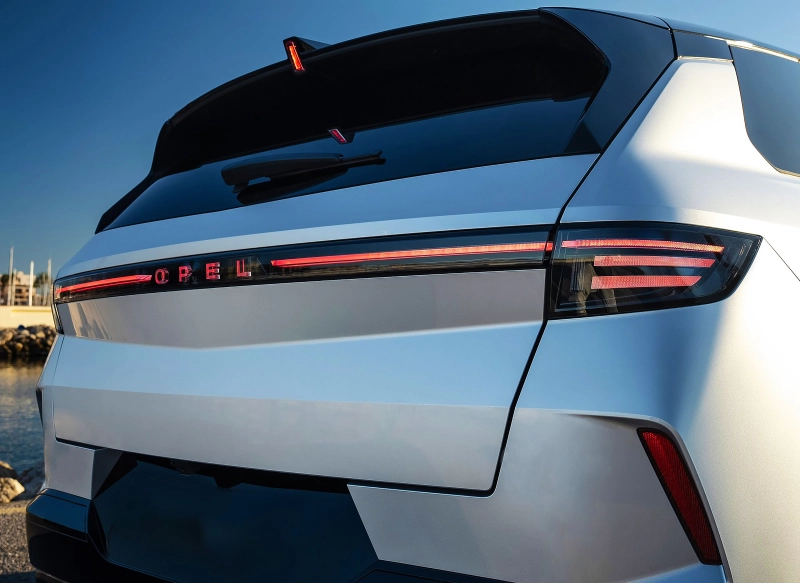
Electric Blitz: Opel and Leapmotor reinvent the C-Segment SUV under the "O3U Code"
RÜSSELSHEIM – In an automotive industry where speed of reaction has become as important as battery range, Opel is stepping on the accelerator. What was just a set of “well-documented rumors” last week has today become official confirmation: Stellantis and Chinese partners at Leapmotor will jointly develop a new electric C-segment SUV for the Opel brand.
The project, known internally as the O3U codename, is not just another electric model, but an industrial experiment that promises to deliver a car “from scratch to showroom” in less than two years.
German engineering, Chinese brains
The partnership is a pragmatic blend of tradition and emerging technology. While Opel retains control over the visual identity and the “feeling” behind the wheel, the technological heart comes from the East.
- Design and DNA: Everything related to aesthetics (interior/exterior), ergonomics, lighting systems and chassis tuning will be signed in Rüsselsheim. The goal is clear: the car should feel like a genuine Opel, not like a rebranded import product.
- Leapmotor Architecture: The Chinese will provide the integrated electric platform and battery. It is rumored to use LFP (Lithium-Iron-Phosphate) batteries with capacities of approximately 56 kWh and 67 kWh, offering a balance between low cost and durability.
- Speed of execution: By using the Leapmotor ecosystem (which produces about 65% of its components in-house), Opel reduces the development cycle from the standard 4-5 years to under 24 months.
Zaragoza: "Home" for the new SUV
The choice of production location is not accidental. The plant in Zaragoza (Figueruelas), Spain, which has produced over 10 million Corsa units over the decades, will become the hub of this new project.
This decision has a double strategic stake for the Stellantis group:
- Avoiding customs duties: Local production in the EU protects the model from potential tariffs applied to electric vehicles imported from China.
- Industrial synergy: The new Opel SUV will be assembled alongside the Leapmotor B10, the Chinese model with which it shares the technical platform and which will enter production in Spain as early as the second half of this year.
Where does it rank in the range?
The newcomer, scheduled to enter the assembly lines in 2028, will complete the “square of aces” of Opel SUVs. If the Mokka is the urban choice, the Frontera is the robust and affordable variant, and the Grandland occupies the top of the range, the new C-segment model (approximately 4.5 meters long) will try to win over customers looking for cutting-edge digital technology at a competitive price.
“This synergy gives us the best of both worlds: Chinese development speed and German engineering excellence,” said Florian Huettl, CEO of Opel.
Estimated Technical Specifications
| Feature | Anticipated Details |
| Segment | C-SUV (Compact) |
| Platform | Leapmotor architecture (evolving from B10) |
| Battery | LFP (likely 56.2 kWh / 67.1 kWh) |
| Charging | Up to 168 kW (DC fast charging) |
| Production Start | 2028 |
| Target Volume | ~50,000 units / year |
Journalist's Opinion
This move shows that Opel has understood the new market rule: you can no longer just be “solid”, you have to be “fast”. If the O3U project manages to retain the comfort of AGR-certified seats and the precision of German steering on an ultra-efficient Chinese technological base, Opel could have the “best-seller” of the decade in its hands.
Do you think this strategy of borrowing Chinese architecture will help European brands remain relevant in the face of Asian competition, or is there a risk of diluting the brand identity?