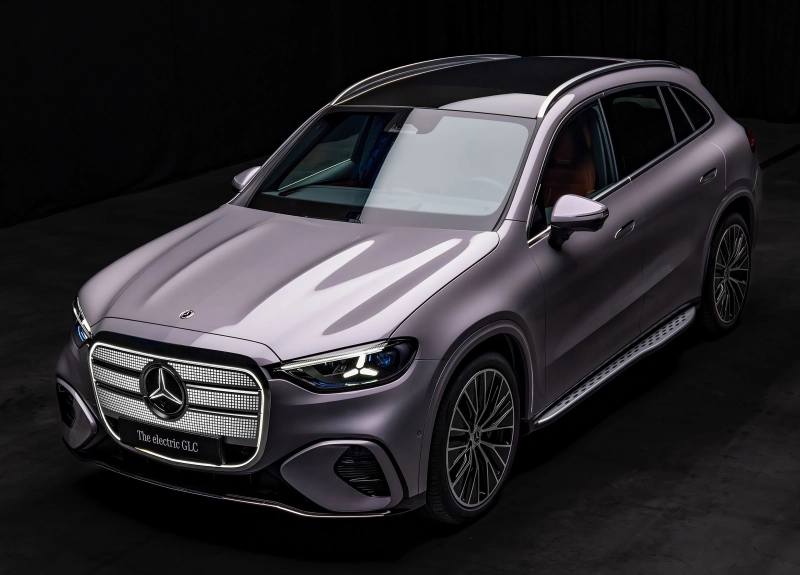
A New Electric Era: Mercedes-Benz and Samsung SDI Sign $6.7 Billion Battery Deal
In a strategic move aimed at accelerating the transition to sustainable mobility, Mercedes-Benz has formalized a historic partnership with South Korean giant Samsung SDI. Signed recently in Seoul at a ceremony attended by leaders of both companies — including Mercedes CEO Ola Källenius and Samsung SDI CEO Joo Sun Choi — the agreement marks the first direct collaboration of its kind between the two entities.
Although official figures were initially kept under wraps, financial market sources estimate the value of the contract at around $6.7 billion, making it one of the largest supply commitments in the recent automotive industry.
High-Nickel NMC Technology: The Heart of Future Models
The core of this partnership is the supply of battery cells with an advanced chemical composition: NCM (Nickel-Manganese-Cobalt) with a high nickel content. This technical choice is not accidental.
High-Nickel batteries offer crucial competitive advantages for a premium brand:
- Superior energy density: More energy in a smaller volume, which translates into extended autonomy.
- Low-temperature performance: A solution to winter "range anxiety" where traditional batteries tend to lose efficiency.
- Durability: Longer life of charging cycles, essential for maintaining the resale value of luxury vehicles.
"This partnership brings together the innovative DNA of both companies," said a Samsung SDI official, emphasizing that the new batteries will also integrate safety systems patented by the South Koreans.
Which models will receive the "Korean Heart"?
Mercedes-Benz's strategy is clear: Samsung SDI batteries will equip the new generation of electric vehicles that will run on public roads starting in 2028.
The main focus will be on the medium and compact segment, more precisely:
- Mid-size and compact electric SUVs: Models that represent the main sales volume and require a perfect balance between weight and power.
- Electric coupes: Where aerodynamic design and limited battery space require the use of the densest energy cells available.
Diversification and Innovation: Looking to the Future
For Mercedes-Benz, this agreement means not only the purchase of components, but also a diversification of the supply chain. Until now, the German manufacturer has relied on partners such as LG Energy Solution or SK On. The addition of Samsung SDI to the portfolio secures the production flow in the face of possible global blockages.
Furthermore, the partnership includes a joint R&D clause for the next generation of batteries. It is speculated that engineers in Stuttgart and Gyeonggi-do are already working on solid-state battery concepts, which promise to recharge a car as quickly as filling a tank of gas.
Market Impact
The announcement was met with enthusiasm on the Seoul stock exchange, with Samsung SDI shares immediately rising. In a world where “who owns the battery, owns the market,” Mercedes-Benz has just secured a heavyweight ally in the fight against rivals in China and the US.
Although electric cars are often criticized for the "soullessness" of the engine, it seems that Mercedes has found a way to give them, at the very least, a state-of-the-art nervous system.