Cheaper and more efficient batteries from 2027 - Toyota's strategy for hybrids and the reality of electric models in Romania
Toyota is reaffirming its commitment to leading the electrified vehicle market through a new stage of technological development. The Japanese automaker is preparing a major update to its hybrid lineup, introducing a new generation of batteries from 2027. The strategy begins with an initial production capacity of 600,000 units per year, secured by the conversion of existing lines in Japan.
The new battery pack promises improved efficiency and a significant reduction in production costs compared to current technology. These batteries will not be reserved exclusively for the Toyota brand, but will gradually be adopted by Lexus hybrid models, with production capacity set to increase in stages until 2030. Even though the Japanese giant is still keeping the exact chemistry of the new cells under wraps, the step reconfirms the huge success of this propulsion. The manufacturer estimates that it will sell more than 5 million hybrid vehicles globally by the end of 2026.
Toyota electric cars in Romania: Current offer and prices
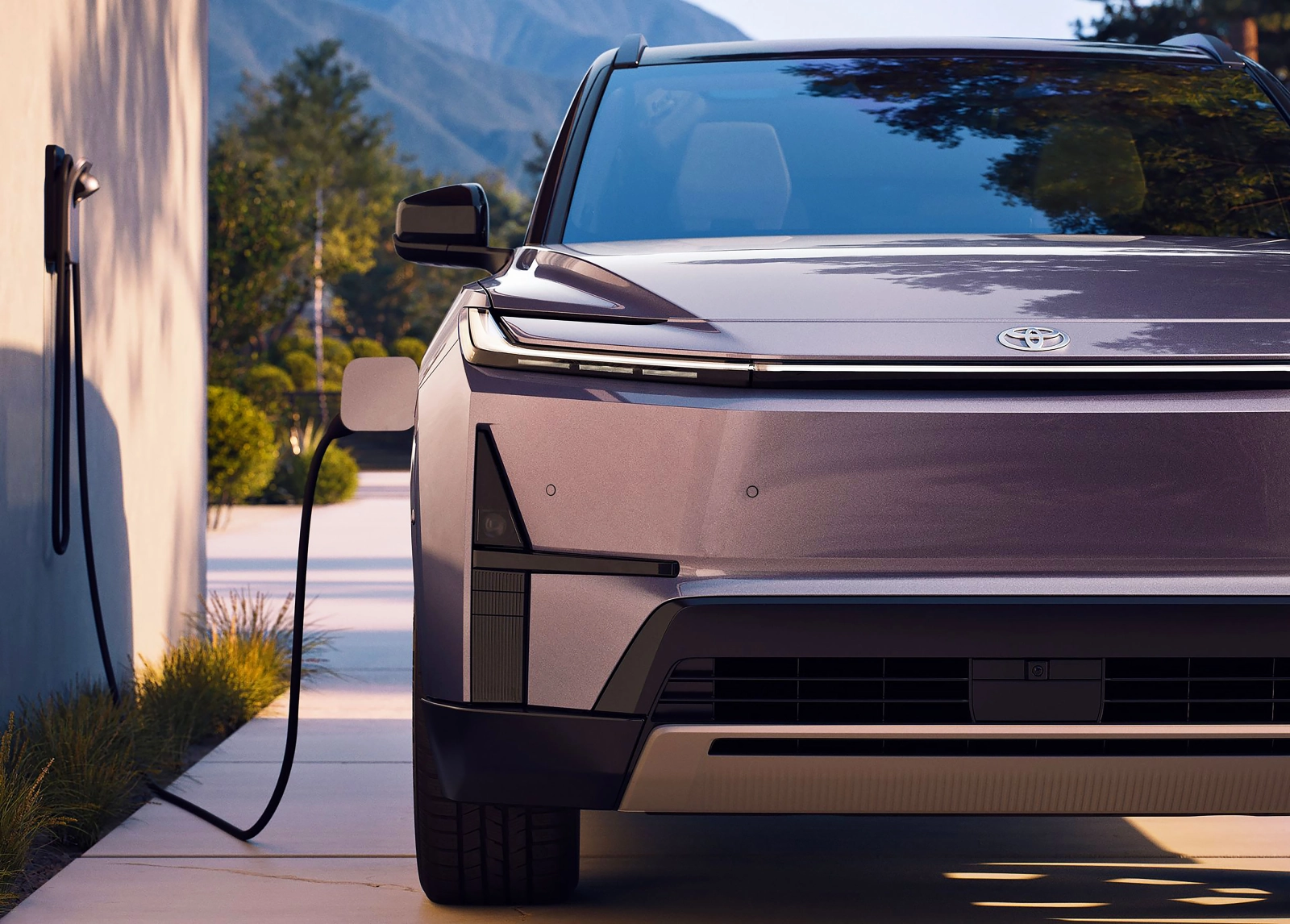
While hybrid engines represent the core of the brand, Toyota has also expanded its presence in the 100% electric model (BEV) market. In Romania, the flagship of the zero-emission range is the Toyota bZ4X SUV. The model is available in versions with a single engine (front-wheel drive, 204 hp) or with two engines (all-wheel drive X-Mode, 218 hp), equipped with batteries from 57.7 kWh to 73.1 kWh that offer official WLTP ranges between 440 and 569 km.
In addition to the bZ4X, the range of battery electric vehicles offered by the brand on the local market also includes commercial vehicles from the Proace EV and Proace City Verso EV series, intended for urban freight or passenger transport.
Regarding prices in Romania:
- The Toyota bZ4X has an official list price that starts at around 49,990 euros (VAT included) for the basic Dynamic equipment.
- Through promotional campaigns on the local market (such as e-client advantage packages), the starting price drops to approximately 43,000 euros.
- The higher trim levels (Exclusive, Luxury or the new Touring variants) with all-wheel drive reach prices between 55,000 and 60,000 euros before applying the eco-tickets from the Rabla Program.
How much do Romanians like Japanese battery-powered cars?
The Romanian auto market faithfully reflects the brand's global strategy: Romanians are some of the most loyal buyers of Toyota hybrids, but they view the group's 100% electric models with a certain amount of reservation.
Models such as the Corolla Hybrid, Yaris Cross, Toyota C-HR and RAV4 dominate the sales charts on the Romanian electrified vehicle market. Self-charging hybrid technology is seen by Romanian drivers as the ideal solution: extremely low consumption in congested urban traffic and emotionless autonomy on long journeys, independent of the charging station network.
In contrast, the fully electric bZ4X model records a more modest sales volume in Romania, for several clear reasons:
- Aggressive competition in the EV segment: Romanian buyers of pure electric cars gravitate mainly towards models with a very aggressive price/range ratio (such as the Dacia Spring) or towards the established leaders of the EV segment (Tesla Model 3/Y, Hyundai Ioniq 5 or the Volkswagen ID range).
- Purchase price compared to subsidy thresholds: Even with the discounts offered by dealers, the threshold of over 40,000 - 50,000 euros places the bZ4X in a competitive price zone, where customers carefully analyze every additional kilometer of autonomy.
- Brand perception: In Romania, the Toyota name is synonymous with mechanical reliability and indestructible hybrid systems. Although the manufacturer offers impressive warranties for the bZ4X's battery (up to 10 years or 1,000,000 km through the Toyota Relax program), the Romanian public continues to believe that the brand's strong point remains its hybrid propulsion.
Toyota's investment in new hybrid batteries scheduled for 2027 confirms that the Japanese manufacturer continues to rely on the technology that brought it success: affordable, efficient cars perfectly adapted to the real mobility needs of most drivers.