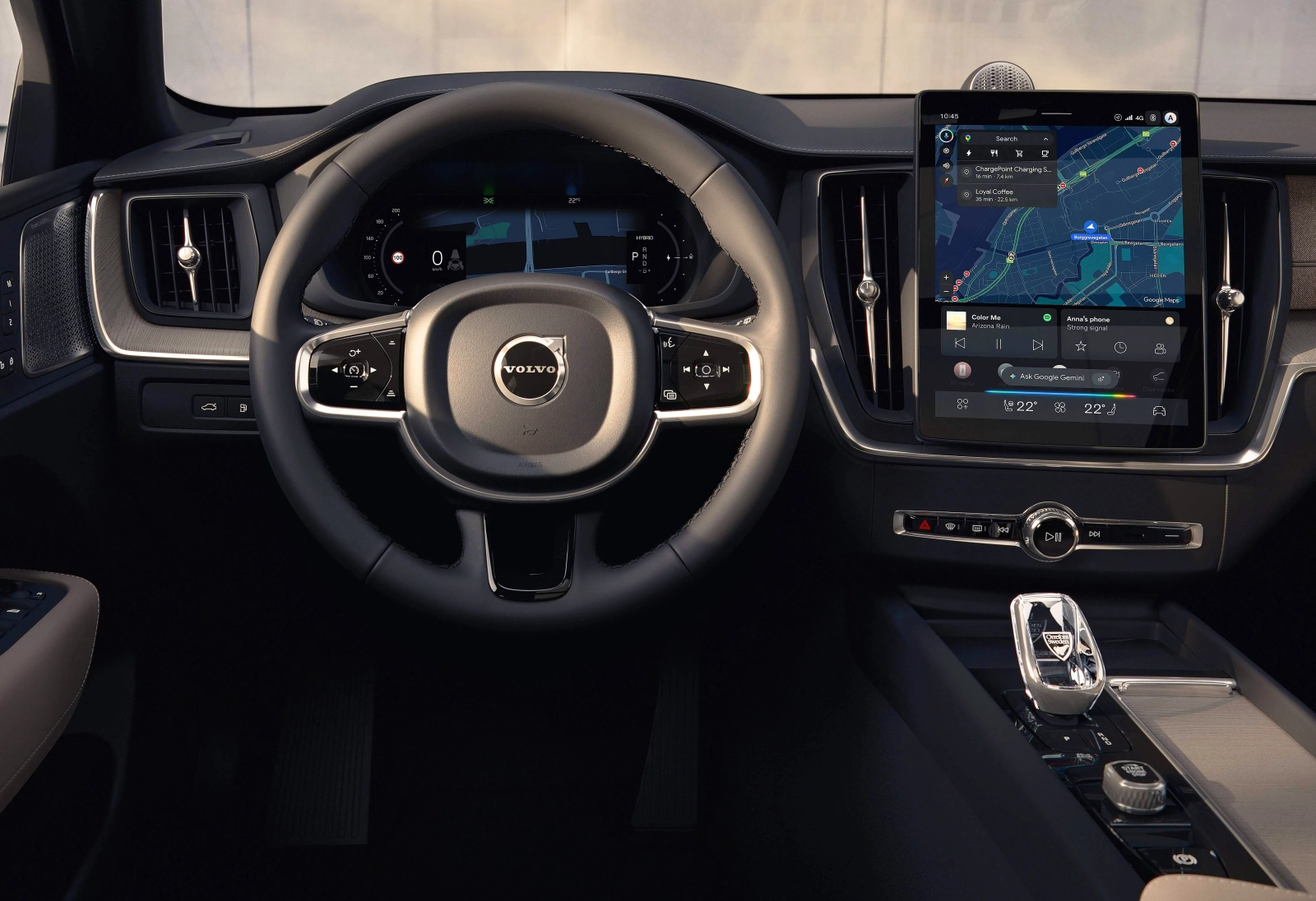
Change of direction at Volvo, physical buttons return to the cabin of future Scandinavian models
Volvo's decision: Listening to customers and reevaluating touchscreens. After more than five years of moving most functions to central touchscreens, Volvo is reevaluating its interior ergonomics strategy. Following feedback from customers who criticized the lack of analog controls for basic functions, the Swedish automaker has confirmed that its future cars will have more physical buttons.
Thomas Ingenlath, the Scandinavian brand's chief designer, said that the reintroduction of physical controls is a main goal for the new projects. The manufacturer will not abandon touchscreens, but will limit their use to functions for which digital displays are truly effective. Any control that needs to be accessed permanently or quickly should not be integrated exclusively on a screen. This revised philosophy will be implemented on the 13 new models that Volvo plans to launch in the coming years.
Industry trend: Between returning to the classics and extreme digitalization
The measure announced by Volvo is part of an increasingly visible trend in the global automotive industry, where manufacturers are adapting their strategies depending on the market response.
- Volkswagen and Mercedes-Benz: Both German automakers have begun the process of reintroducing physical buttons. Volkswagen has replaced the touch surfaces on the steering wheel with classic push-buttons and added lighting to the climate controls, while Mercedes-Benz is prioritizing physical shortcuts for critical functions.
- BMW: In contrast, BMW continues the process of reducing analog controls. The Bavarians are betting on a heavily digitized cabin, based on large curved screens, advanced voice commands, minimalist integrated touch interfaces and panoramic projections on the windshield.
Current Volvo range on the Romanian market and price map
On the Romanian market, Volvo's portfolio is focused on the range of electrified SUVs and crossovers, available in mild-hybrid, plug-in hybrid or 100% electric versions.
| Model | Powertrain | Estimated Starting Price (incl. VAT) |
| Volvo EX30 | Electric | ~38,500 € |
| Volvo XC40 / EX40 | Mild-Hybrid / Electric | ~40,000 € |
| Volvo EC40 | Electric | ~53,000 € |
| Volvo XC60 | Mild-Hybrid / Plug-in Hybrid | ~55,000 € |
| Volvo XC90 | Plug-in Hybrid | ~78,000 € |
| Volvo EX90 | Electric | ~95,000 € |
The current range in Romania offers simplified equipment packages, and the new generations that will be gradually launched until 2030 will integrate the new cabin concept with additional physical controls.