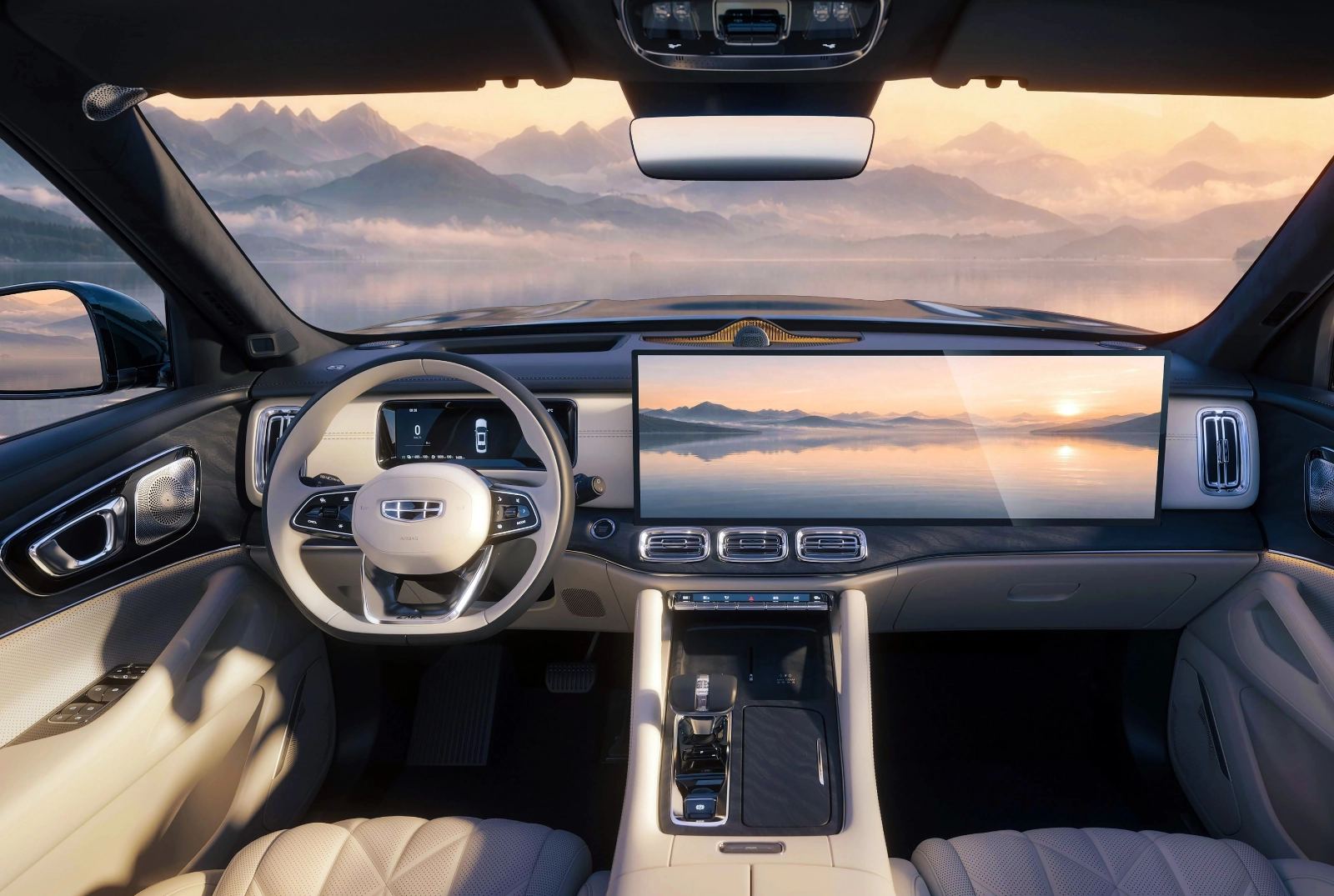
Road safety comes first in China, major restrictions on digital screens, return to physical buttons and rigorous testing
The global automotive industry is undergoing a profound transformation, marked by the transition from classic dashboards to fully digitalized cabins, filled with huge screens and advanced touch controls. However, this technological race has generated major concerns about road safety. In this context, Chinese authorities are preparing a set of strict regulations aimed at limiting digital excesses and imposing rigorous testing standards for new generations of cars.
Giant screens, curved displays and strict safety tests: What's changing for automakers?
The latest generation of cars, especially zero-emission ones, have transformed the dashboard into a complex multimedia center, dominated by huge glass surfaces and elaborate visual interfaces. But Beijing authorities want to keep under control factors that can distract the driver or present functional vulnerabilities.
- Ban on flexible and foldable screens: According to new legislative directives, foldable or extremely curved displays will be completely banned in vehicles, being considered a major distraction risk and a source of potential failures over time.
- Rigorous approval testing: Large screens, complex infotainment systems and advanced Head-up Displays (HUDs) will no longer be marketed without undergoing an extensive series of assessments. They will be subject to strict tests on the impact on driver attention, crash resistance and behavior, and reliability in extreme environmental conditions.
- Risk of ban: If, following evaluations, it is found that a particular display or visual system generates an unacceptable level of distraction or does not comply with safety parameters, its use on public roads will be prohibited.
Limits on voice commands and mandatory return to physical buttons
In addition to strict control of screens, the new regulations also aim to limit other futuristic trends considered risky for concentration while driving.
- Return to physical buttons: After episodes in which many manufacturers moved almost all car functions to the touch menus of the central screen (including essential elements such as climate control, wipers or gear changes), authorities are imposing a partial return to intuitive mechanical controls. Critical safety functions must be able to be operated physically to reduce reaction times and the risk of error.
- Restrictions on voice and gesture controls: Advanced voice or gesture control systems are also being targeted. Voice commands for sensitive functions – such as opening doors, operating the hood or managing the lighting system – will be strictly regulated. While driving, the driver will be limited or denied access to certain critical actions via virtual assistants to avoid any confusion or loss of control.
- Other targeted elements: The authorities' list also includes the regulation of front headlights and daytime running lights capable of projecting dynamic images generated by users, features that can become an additional source of traffic disruption.
Compliance Calendar: Deadlines, Service Recalls, and the Risk of Discontinuation
The scope of these legislative changes will force automakers to quickly reconfigure their production plans and development strategies for the Chinese market and beyond.
- Implementation deadlines: The draft law provides that the new standards will come into effect starting at the beginning of next year for all new models entering the market.
- Situation of existing cars: For vehicles that are already in production or in circulation, the authorities have set an extended compliance deadline until the beginning of next summer (July).
- Drastic sanctions: Manufacturers that fail to comply with the new rules risk severe sanctions. Non-compliant vehicles could be subject to extensive service recall campaigns to modify systems or, in serious cases, risk being banned from sale and permanently removed from production lines.
Through these firm measures, the Chinese auto market is sending a clear signal to the entire global ecosystem: digital innovation must be absolutely subordinated to road safety, putting an end to experimental design that neglects ergonomics and attention while driving.